

Solar heat
Film can reject a portion of the solar energy reaching the glass, helping reduce the edge in sun-facing rooms. Performance depends on the film and glazing, so each elevation is assessed before a selection is recommended.

Residential window film / Miami / South Florida
XPEL window film for homes, condominiums, penthouses and waterfront residences, assessed on your existing glass for heat, glare, ultraviolet fading and privacy.
Residential glass is assessed room by room and elevation by elevation.
The home brief
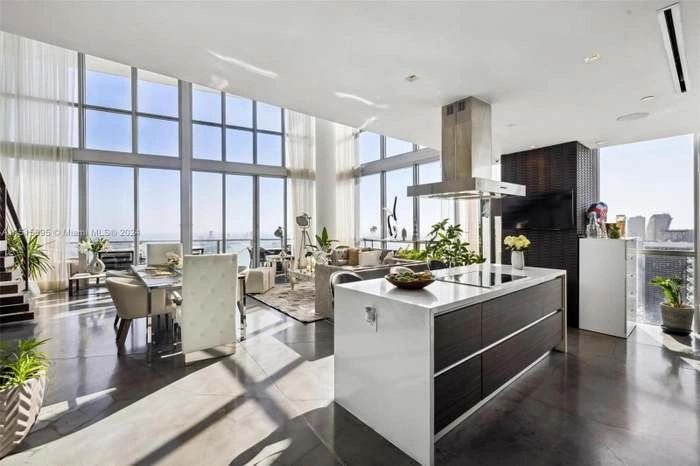
The walls of glass that make a Miami home feel open can also create the rooms you avoid by mid-afternoon. Screens wash out, furniture takes the sun, and the temperature changes sharply from one elevation to the next.
Residential window film is retrofitted to the glass you already have. There is no glazing replacement and no structural work. The scope is built around the rooms and views that matter most, then fitted on site.
What homeowners want to solve
Film can reject a portion of the solar energy reaching the glass, helping reduce the edge in sun-facing rooms. Performance depends on the film and glazing, so each elevation is assessed before a selection is recommended.
Reduced glare can make a west-facing living room, family room or home office more usable late in the day without closing every shade.
Ultraviolet light is a contributor to fading in timber floors, textiles, art and cabinetry. Window film is designed to block a large portion of ultraviolet light while maintaining the daylight you chose the home for.
Film options range from nearly neutral and low-reflectivity to more private choices. Samples are reviewed on your actual glass and against any building or HOA requirements before anything is ordered.

Where it matters most
Single-family homes, waterfront residences, condominium units and penthouses. Common priorities are living rooms with broad exposures, primary bedrooms, glass stair enclosures and spaces where floors or artwork are exposed to direct light.
The point is not to make every pane look the same. A home assessment separates the rooms where a nearly neutral film protects the view from the elevations where additional glare control or privacy deserves priority.
How a home assessment works
We look at the glass, the direction of the sun and how each room is used, then note any unusual glazing details before discussing film.
Samples are reviewed on your actual glass in your light, with the interior finish and any building or HOA appearance rules taken into account.
The written scope identifies the rooms or elevations, film selection and an installation window that suits the home and building access requirements.
Glass is cleaned and prepared, film is cut and fitted, and the work area is protected and returned to you clean.
Film needs a short curing period during which some haze or moisture can appear. We tell you exactly what to expect and how to clean the glass afterwards.
Tinting FAQs
Yes. Residential window film is applied to existing glass, so the work does not require window replacement. During the assessment, the glass is reviewed before any film is selected or specified.
That depends on the film selected. Options range from nearly neutral, low-reflectivity choices that preserve the character of the glass to darker or more private films. Samples are reviewed against your glass and any building or HOA requirements before anything is ordered.
Window film is designed to manage solar heat, glare and ultraviolet exposure. Exact performance depends on the selected film and the glass it is applied to, so the recommendation is made by elevation rather than by a single generic number for the whole home.
The work is planned around the agreed rooms, access and building rules. Glass is cleaned and prepared, film is cut and fitted, and care guidance is provided after installation. The schedule is confirmed with the written scope.
Private assessment
We assess the glass, exposure, rooms and access before discussing film. Send the home, condominium or building details and we will arrange an appointment in Miami-Dade, Broward or Palm Beach County.